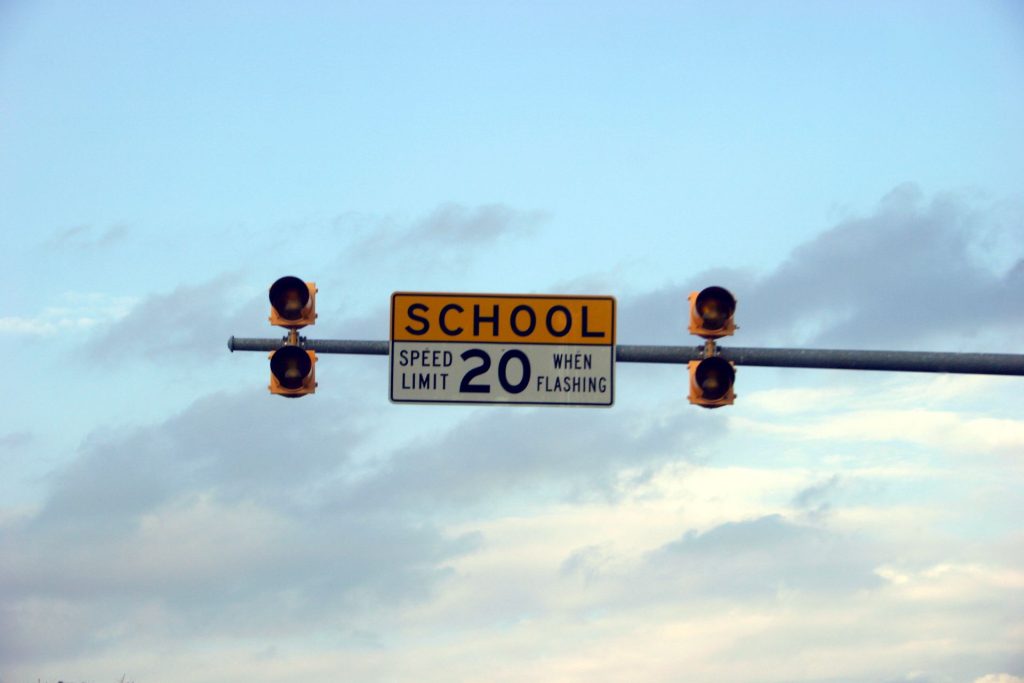
Using intelligent sensors for signal timing strategies in school zones can help agencies manage vehicle flow, pedestrian crossings, and driver awareness during high-risk school travel periods. School corridors create a unique traffic environment because vehicle demand changes quickly around arrival, dismissal, bus activity, events, and pedestrian surges.
Intelligent traffic systems give transportation departments a more responsive way to manage these changing conditions. Instead of relying only on fixed timing plans, you can use sensor data, school road signs, and smart traffic control system components to improve safety and operational consistency.
Intelligent School Zone Sensors Improve Timing Accuracy
Intelligent school zone sensors help agencies understand what is happening in real time. Vehicle detection, pedestrian detection, speed monitoring, and connected signage can all support better timing decisions near campuses.
When sensors detect increased pedestrian activity at a crossing, the signal system can support longer crossing intervals or improved phase coordination. When vehicle queues build near a school corridor, traffic engineers can evaluate whether signal timing adjustments would reduce backups without compromising pedestrian safety.
These systems are especially useful in school zones where demand changes by time of day. Morning drop-off patterns, afternoon dismissal periods, and special events can each require different timing strategies.
Smart Traffic Control Systems Help Manage Complex School Corridors
A smart traffic control system connects detection, signal control, alerts, and corridor coordination.
- Adaptive Signal Timing: Adjusts timing based on live traffic conditions and pedestrian activity.
- Queue Monitoring: Detects vehicle buildup near intersections, driveways, and school access points.
- Pedestrian Detection: Identifies crossing demand and supports safer signal phase decisions.
- Connected Warning Devices: Activates school road signs, beacons, or alerts when conditions require driver attention.
- Corridor Coordination: Helps manage multiple intersections along a school travel route.
Pedestrian Detection At School Crossings Supports Safer Movement
Pedestrian detection at school crossings provides valuable data for signal timing and warning systems. Instead of depending only on push buttons or fixed pedestrian phases, agencies can use sensors to identify actual crossing demand. This technology can help traffic teams adjust timing during heavy foot traffic. It can also support alerts when pedestrians are present near a crossing, especially during busy school arrival and dismissal periods.
Real-Time School Zone Timing Adjustments Improve Responsiveness
Real-time school zone timing adjustments help agencies respond to live conditions rather than waiting for a manual timing review. These adjustments can support smoother operations during the busiest school travel windows.
- Arrival Period Adjustments: Responds to increased vehicle demand and active pedestrian crossings.
- Dismissal Period Support: Helps manage short, intense traffic surges after school ends.
- Event-Based Timing: Supports traffic patterns during school programs, sports events, or emergency activity.
- Incident Response: Allows traffic teams to adapt when crashes, road closures, or unexpected backups affect the corridor.
- Bus Movement Support: Helps reduce conflicts around school bus entry, exit, and staging areas.
Automated Speed Compliance Systems Reinforce Driver Awareness
Automated speed compliance systems can support safer school zones by encouraging drivers to follow posted speed limits. Speed feedback signs, detection systems, and automated alerts can reinforce driver awareness during active school hours.
For agencies, speed data also provides planning value. Repeated speed patterns can show where additional signage, timing adjustments, enforcement coordination, or geometric changes may be needed. Speed compliance technology should fit within a broader school corridor traffic safety technology plan. The most effective approach combines timing, detection, signage, data review, and interagency coordination.
Adaptive School Zone Traffic Control Supports Local Conditions
Adaptive school zone traffic control should reflect the specific conditions of each corridor. A strategy that works near one campus may not fit another school with different roadway geometry, traffic volumes, pedestrian activity, or bus operations.
Traffic engineering teams can use sensor data to understand where timing plans need refinement. You can also determine whether a corridor needs better signage, additional detection, or more coordinated signal operations. For public agencies and transportation partners, adaptability matters because school zones do not remain static. Enrollment changes, land use shifts, construction activity, and route changes can all affect how the corridor performs.
Build Safer School Zones With Intelligent Traffic Systems
School zone signal timing requires reliable detection, practical engineering judgment, and technology that supports real roadway conditions. Intelligent school zone sensors, adaptive timing strategies, pedestrian detection, and connected school road signs can help you improve safety while managing complex corridor operations.
Sierra Transportation Technologies supports transportation agencies and engineering partners with intelligent traffic systems designed for modern roadway challenges. Contact us to discuss school corridor traffic safety technology and smart traffic control system solutions for your next project.