Intelligent traffic management systems reduce secondary crashes on highways by giving drivers, first responders, and traffic operators better information before a backup turns into another collision. Secondary crash prevention depends on speed, timing, and coordination.
The faster you detect an incident, warn drivers, adjust traffic flow, and support responders, the less time the roadway stays unstable.
Secondary Crashes Start With Unexpected Traffic Changes
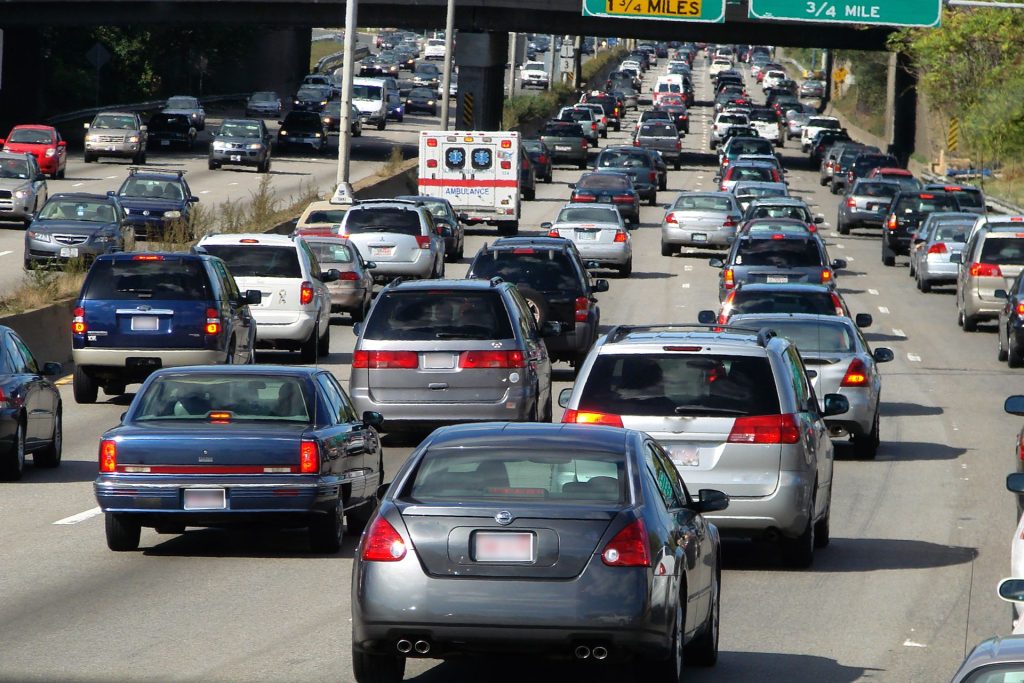
A highway accident rarely affects only the vehicles involved. It can create a chain reaction across nearby lanes and upstream traffic. Drivers may brake hard, change lanes late, or approach a stopped queue at full speed. Even a minor incident can create serious risk if traffic control doesn’t adapt quickly.
Faster Detection Gives Operators More Time To Respond
Crash prevention starts with knowing something has changed. If an incident sits undetected, drivers continue approaching the area as if traffic conditions are normal. That delay can increase queue length and raise the chance of rear-end crashes.
Intelligent traffic systems can support faster detection by collecting information from roadway devices, traffic sensors, cameras, and field equipment. Once the system identifies a problem, operators can verify the incident, alert responders, activate warnings, and start managing traffic around the hazard.
Queue Warning Helps Drivers Slow Down Earlier
Many secondary crashes happen near the back of a traffic queue. Drivers who don’t expect stopped traffic may have only seconds to react. Queue warning systems help address that problem by warning drivers before they reach the slowdown.
A smart traffic system can use roadside signs, variable message boards, lane control signs, and connected alerts to tell drivers what is ahead. The message may be simple, but the timing matters. A driver who slows gradually has a better chance of avoiding a crash than a driver who discovers the queue at the last moment.
Dynamic Messaging Turns Road Conditions Into Driver Action
Drivers need clear instructions, not vague warnings. Dynamic message signs and lane control systems can help translate roadway conditions into actions drivers can take immediately.
The most useful messages are specific to the location and condition. These traffic safety enhancements work best when they change as the incident changes.
- Crash Ahead
- Left Lane Closed
- Stopped Traffic Ahead
- Prepare To Stop
- Use Alternate Route
- Emergency Vehicles Ahead
Road Traffic Management Reduces Confusion Near The Scene
Once responders arrive, the roadway becomes more complex. Drivers may see flashing lights, emergency vehicles, cones, lane shifts, shoulder activity, and workers outside vehicles. Confusion near the scene can create more sudden braking and unsafe lane changes.
Road traffic management tools help you guide traffic through or around the incident area. Lane control signs, coordinated signals near ramps, detour routing, and traffic operations center support can reduce uncertainty.
Emergency Vehicle Preemption Supports Faster Response
Emergency vehicle preemption helps responders reach the incident more efficiently by adjusting traffic signals along the route. On highway corridors with signalized interchanges, frontage roads, ramps, or nearby arterials, preemption can help clear intersections before emergency vehicles arrive.
Faster response supports highway safety because the incident can be assessed, protected, treated, and cleared sooner. It also helps reduce the time responders spend exposed near live traffic. The less time the primary incident remains active, the less opportunity there is for a secondary crash to develop.
Proactive Roadway Safety Starts Before The Crash
Proactive roadway safety means you don’t wait for a crash pattern to become obvious before improving the system. Intelligent traffic systems can help agencies study where congestion forms, where lane changes cluster, where queues build, and where incident response slows down.
This supports better planning for proven safety countermeasures, traffic safety enhancements, and operational upgrades. You can use the data to improve warning placement, ramp control, signal timing, detour planning, and responder coordination before the next major incident.
Smart Traffic Systems Support Multi-Agency Coordination
Secondary crash prevention rarely belongs to one agency. Transportation teams need to coordinate with emergency responders, law enforcement, towing partners, and traffic operations staff.
A smart traffic system gives those groups a more consistent operating picture. When everyone works from better information, you can reduce duplicated effort, delayed response, conflicting lane control, and unclear public messaging. That coordination matters when minutes change the risk on the roadway.
Build A Safer Highway Response System
Sierra Transportation Technologies helps agencies and municipalities improve highway safety with intelligent traffic systems built for real roadway conditions. If you want to strengthen crash prevention and reduce secondary crash risk, start with the systems that help your team see, respond, and communicate faster.
Contact us today to learn about the equipment and systems you need for safer highways.